If you’ve heard the term “art therapy” and pictured a child coloring at a table while a therapist watches, you’re not alone. It’s one of the most misunderstood approaches in children’s mental health, and one of the most effective.
Art therapy is not arts and crafts. It’s not a distraction technique or a reward for sitting through a session. It’s a clinically recognized form of psychotherapy practiced by licensed professionals with specialized training; and for many children, it opens doors that traditional talk therapy simply can’t.
Why Talking Is Hard for Kids
Here’s something worth understanding about children and emotion: the part of the brain responsible for language and verbal reasoning is not the same part that stores emotional experience. When a child is scared, overwhelmed, grieving, or anxious, those feelings live in the body and the limbic system, not in the part of the brain that finds words.
This is why asking a child “how are you feeling?” or “what’s wrong?” often gets you a shrug. It’s not that they don’t want to tell you. It’s that they often genuinely don’t have access to the words. The experience is real, but the verbal pathway to it isn’t yet built, especially in younger children, whose language and emotional development are still catching up to each other.
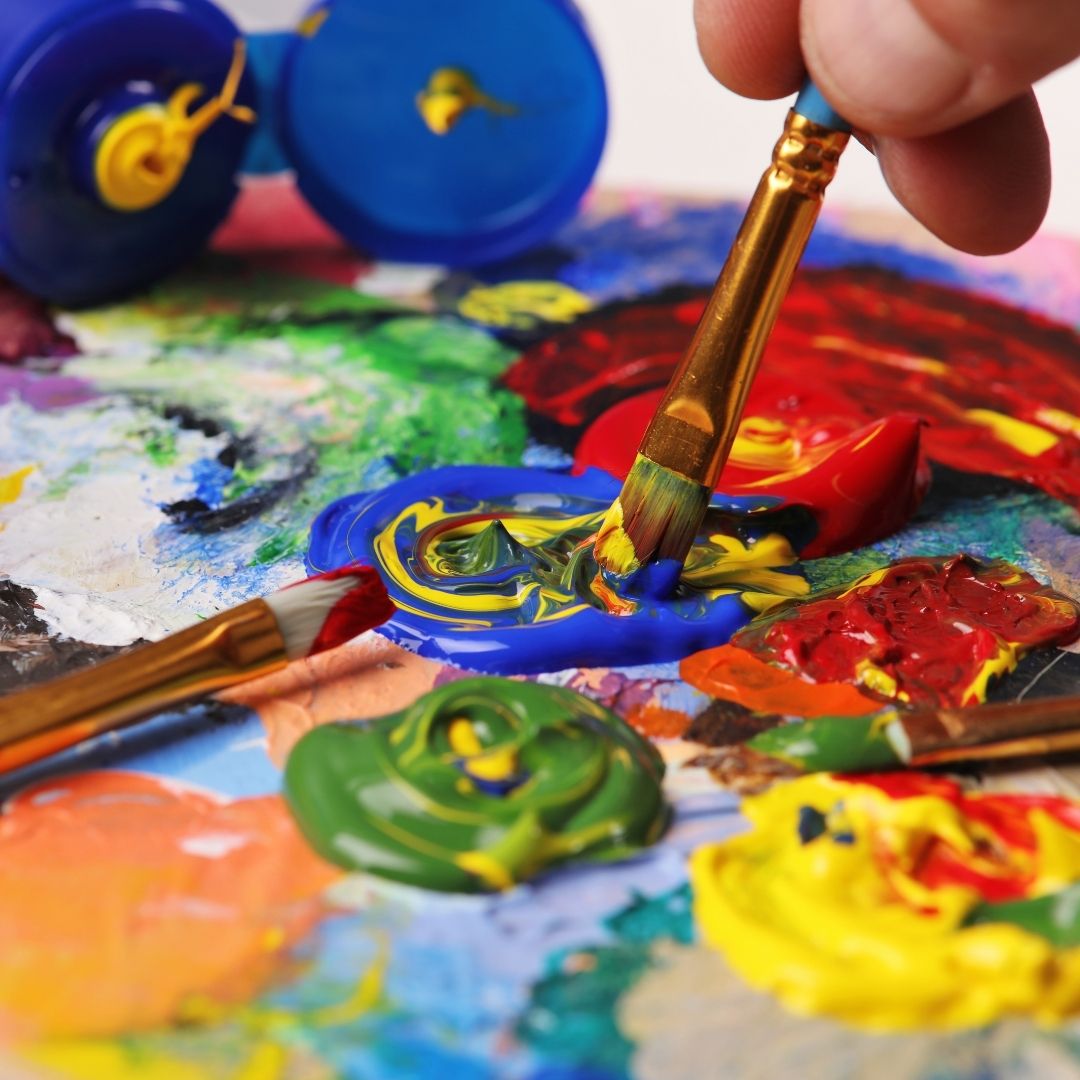
Art bypasses that gap. When a child draws, paints, sculpts, or creates, they’re expressing something that doesn’t have to be put into words first. The image, the color, the shape, the story they tell about what they made, these become the language.
What Art Therapy Actually Is
The American Art Therapy Association defines art therapy as an integrative mental health profession that uses active art-making, creative process, and applied psychological theory within a therapeutic relationship to support emotional health and wellbeing.
In practice, that means a trained art therapist isn’t just handing a child some markers and stepping back. They’re watching what gets made, how it gets made, what the child says about it, and what themes appear over time. They’re using the creative process as a clinical tool… One that can reveal what a child is carrying, help them process it, and build skills they’ll use long after the sessions are over.
Research published in peer-reviewed journals has found that art therapy helps children improve self-esteem and self-awareness, build emotional resilience, develop social skills, and reduce distress. For children who struggle to engage with traditional talk therapy: whether because of age, temperament, trauma, or neurodevelopmental differences; art therapy often provides the access point that makes other work possible.
Who It’s Especially Helpful For
Art therapy can benefit a wide range of children and teens, but it tends to be particularly valuable for kids who:
Struggle to put feelings into words. Some children are naturally less verbally expressive, not because nothing is happening emotionally, but because they process and communicate differently. Art gives them another channel.
Have experienced trauma or loss. Traumatic experiences are often stored in ways that make them hard to access through conversation alone. The creative process can help children approach difficult material at their own pace, with a degree of distance and safety that direct discussion doesn’t always offer.
Are dealing with anxiety. The focused, repetitive nature of making art can be regulating in itself by engaging the hands and the attention in ways that quiet an overactive nervous system. Research has also found that children with attention difficulties often show improved focus during art therapy sessions.
Resist or shut down in traditional therapy. Some children have had experiences with therapy that felt uncomfortable, confusing, or unhelpful. Art therapy often feels less threatening and more like doing something than being asked something, which can lower defenses and open up space for real work.
What a Session Looks Like
Every art therapist works differently, but in general, a session might involve a child choosing from a range of materials (paints, clay, collage, drawing, mixed media), and working on something of their own design, or responding to a prompt. The therapist is present throughout, observing, asking questions, and gently following the child’s lead.
What happens after the making is often where the therapeutic work deepens. A child might tell a story about what they created, describe what the characters are feeling, or notice something about their own work that surprises them. Over time, patterns emerge whether in the imagery, in the themes, in what the child returns to; and those patterns become the material of the therapeutic relationship.
Parents sometimes ask whether their child needs to be “good at art” for art therapy to work. The answer is no. Artistic skill is completely irrelevant. What matters is the process, not the product.
What It Can Help With
Art therapy at Campbell Counseling is used to support children and teens navigating a range of experiences, including:
- Anxiety, worry, and fear
- Grief and loss
- Family changes and transitions
- Trauma and difficult life events
- Social struggles and self-esteem
- Emotional regulation and behavioral challenges
- Neurodiversity, including ADHD and autism spectrum concerns
It’s also used with children who are doing reasonably well but whose parents want them to have a safe, expressive outlet like a place to process the normal difficulties of growing up with someone in their corner.
A Note from Our Practice
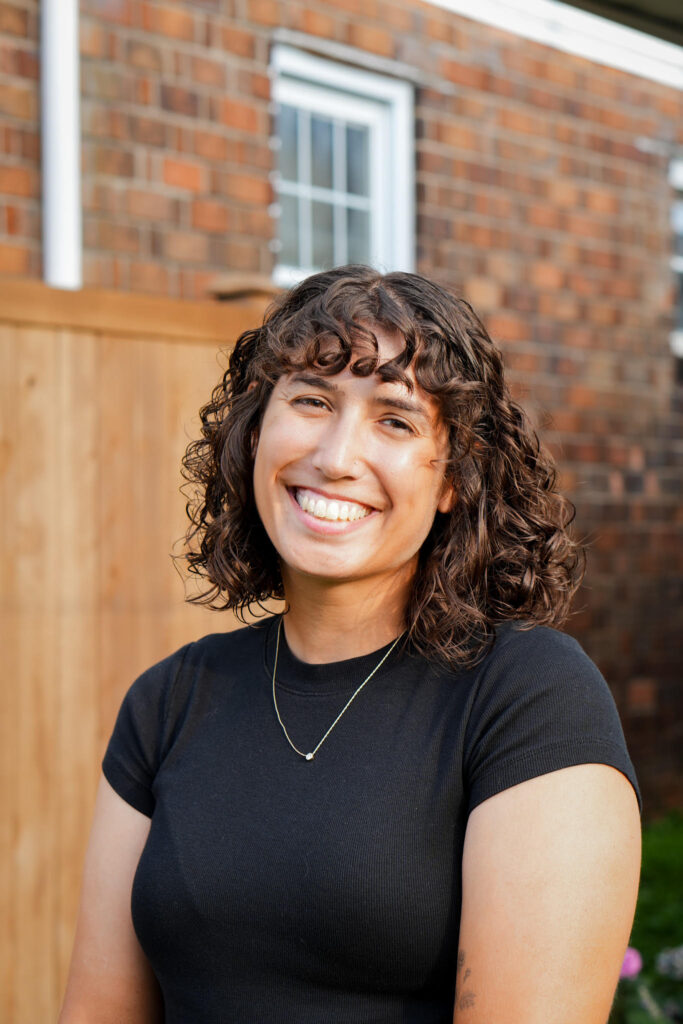
Katelyn Madsen is a Licensed Mental Health Counselor and Registered Art Therapist; a dual credential that means she brings both clinical training and specialized expertise in the therapeutic use of creative process. She works with children and teens on the Northside of Indianapolis and is in-network with UHC/Optum and Anthem.
If you’ve been wondering whether art therapy might be a good fit for your child, we’re happy to talk it through.
You don’t have to have it all figured out before you reach out.
Contact Campbell Counseling to learn more or get started.
Campbell Counseling is a group private practice on the Northside of Indianapolis. We offer individual therapy, couples therapy, therapy for kids and teens, and specialty groups and workshops. In-network with UHC/Optum and Anthem.